EnvironmentalProtecting climate and resources
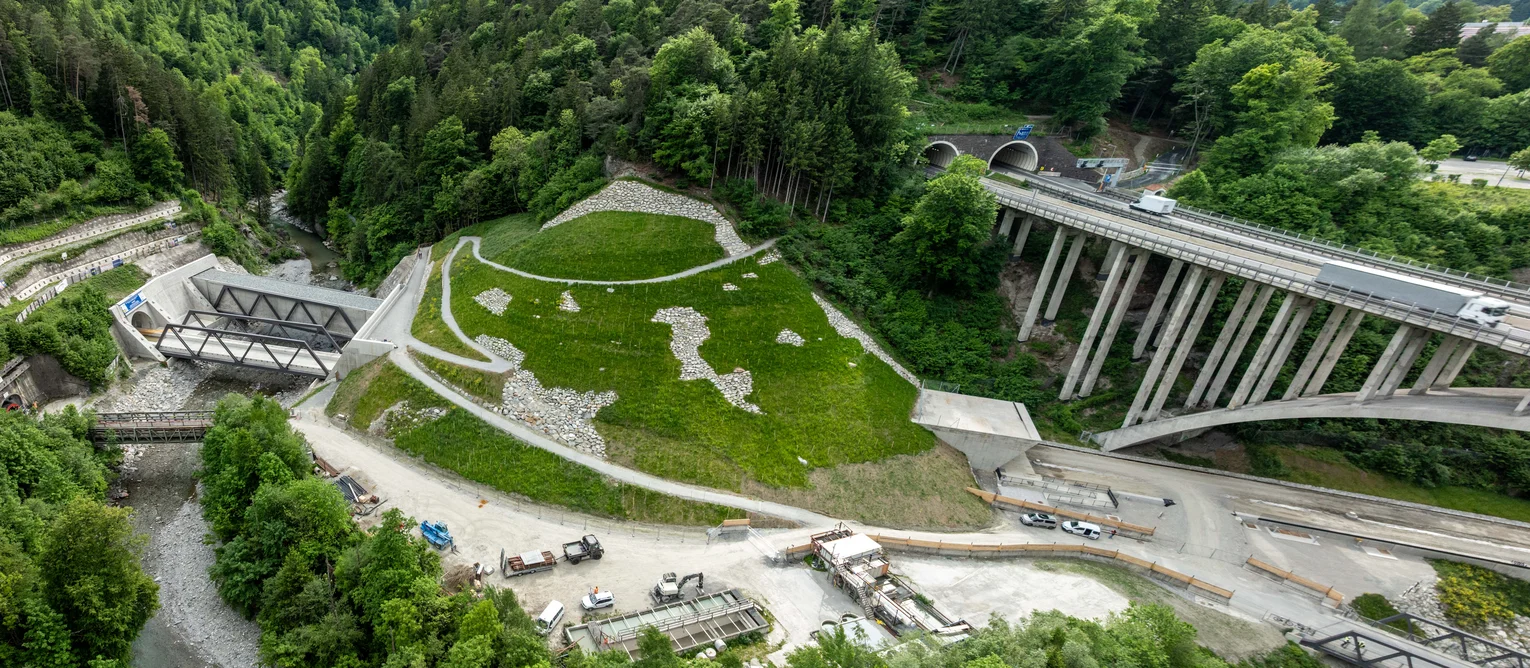
For the preservation of our livelihoods. We are committed to environmental protection and focus on targeted research and development. With our climate strategy, which is regularly updated, we want to make a contribution to mitigating the negative effects of climate change. In all our decisions, we keep current environmental issues in mind - whether increasing scarcity of raw materials or the threat to biodiversity: we develop solutions, initiate countermeasures and thus assume responsibility.
LatestAnnual and Sustainability Report

Sustainable Construction Site
All measures come together on the construction site – this is where we see how consistently sustainability is put into practice. It is precisely here that environmental, social and economic requirements are combined and translated into concrete solutions.
The Sustainable Construction Department (NHB) coordinates key measures, sets standards and, together with the operational units, ensures that sustainability requirements are taken into account in all projects. Clear guidelines, efficient use of resources and the early consideration of sustainability aspects ensure that construction processes are designed to be future-proof.
Act as a sustainable construction company
At PORR, sustainability is not an add-on, but an integral part of every construction project. The aim is to design construction processes responsibly across the entire value chain, reduce environmental impact and remain economically successful at the same time.
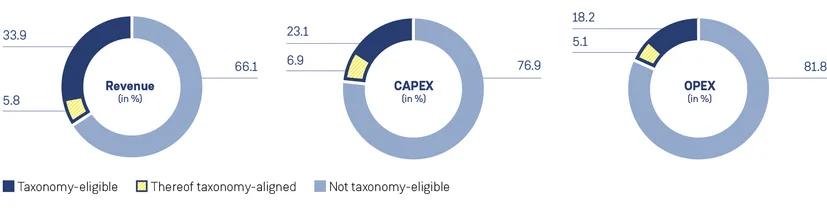
This is not just about minimising risks, but also about opportunities: more efficient processes, new business models and a stronger market position. The EU taxonomy indicators demonstrate how well this is achieved. They provide transparency on the extent to which projects and investments contribute to European climate and environmental goals.
EU Taxonomy
Sustainability in practice
To ensure that sustainability is consistently implemented on construction sites, PORR is continuously developing its minimum standards for sustainable construction sites and aligning them with recognised certification systems. With the ÖGNI basic certificate “Sustainable Construction Site”, there is now, for the first time, a company-wide framework that defines key requirements for all construction sites.
Another key focus is embedding comprehensive life-cycle assessment in construction operations. A uniform life-cycle assessment standard creates transparency regarding emissions and resource use and enables the targeted reduction of the CO2e footprint.
The circular economy is also being systematically strengthened. The minimum recycling rate for waste generated on site ensures that recyclable materials are better utilised and landfill volumes are reduced.
At the same time, greater focus is being placed on the early stages of projects. ESG and the EU taxonomy are increasingly being established as standard practice in client consultancy and project development. This allows sustainability aspects to be taken into account as early as the planning stage and implemented in collaboration with clients.


Biodiversity
Biodiversity is the foundation of functioning ecosystems – and thus also a key prerequisite for sustainable construction. Construction projects encroach on existing habitats, yet the industry is dependent on intact ecosystems.
PORR is therefore implementing targeted measures to minimise impacts on flora, fauna and habitats and to actively promote biodiversity – both on construction sites and at its own premises.
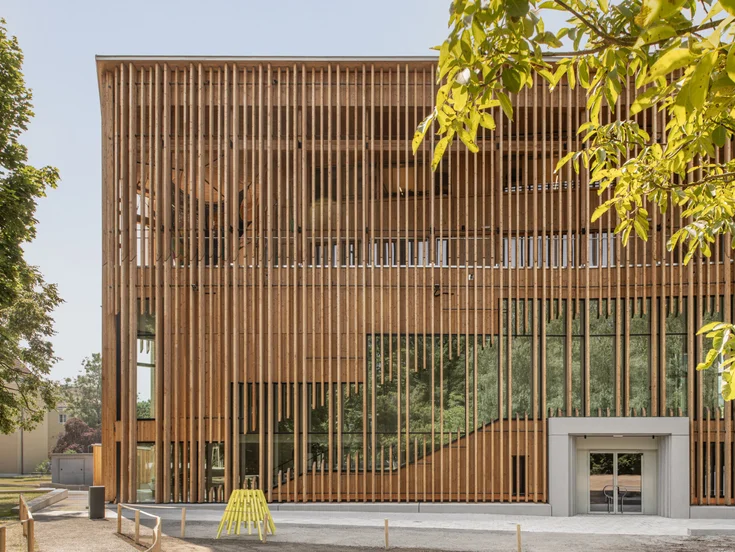
Protect and promote of biodiversity
PORR aims to protect and promote biodiversity within the scope of its activities. The focus is on reducing impacts on ecosystems, such as those caused by emissions or soil sealing, whilst actively managing risks arising from regulatory requirements and dependence on ecosystem services.
At the same time, new opportunities are emerging: for example, through projects in the areas of renaturation, recultivation and nature-based solutions. The approach is guided by international and European frameworks such as the EU Biodiversity Strategy 2030 and the Kunming-Montreal Global Biodiversity Framework.
Implementation in projects and at sites
To systematically take biodiversity into account, PORR relies on location-specific conservation measures at construction sites and PORR sites. These range from adapting construction processes and implementing protection measures for sensitive habitats to the targeted design of sites, for example through nature-based greening or the creation of refuge areas for animals.
In addition, a catalogue of biodiversity and soil resource conservation on construction sites is being developed. This brings together nature-based solutions and standardised measures across the entire value chain and is being gradually integrated into existing processes.
Furthermore, PORR is committed to implementing demand-oriented mitigation measures. These include projects such as the creation and maintenance of orchard meadows, which specifically contribute to promoting local biodiversity and offset any remaining impacts.

Water
Water is a key resource in the construction process – at the same time, using it responsibly is becoming increasingly important. Climate change, rising demands and regional water shortages are increasing the pressure for efficient water management.
PORR is therefore committed to the targeted management of water consumption and abstraction in order to conserve resources, streamline processes and ensure the long-term availability of water.
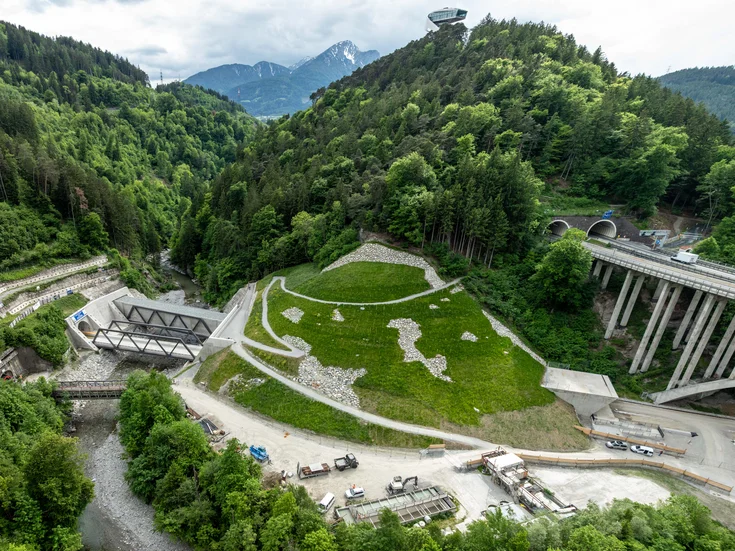
Improve the efficient use of water
PORR aims to continuously optimise water consumption throughout the entire value chain and avoid negative impacts on ecosystems. At the same time, operational efficiency is to be increased through sustainable water use.
The key performance indicator is the Water Intensity Ratio, which PORR uses to measure its water efficiency. In the base year 2024, the figure stood at 0.04. The aim is to limit the WI ratio to a maximum of 0.1 by 2030, despite increasing demands, thereby ensuring the efficient use of water in the long term.
In 2025, the WI ratio stood at 0.05. This trend shows that whilst water demand is rising due to new requirements, it is being managed in a targeted manner to use resources efficiently and secure the long-term availability of water.

Water Target
Water management in practice
To manage water consumption sustainably, PORR systematically analyses alternative water sources and increasingly relies on grey water instead of fresh water. The aim is to reduce the use of tap water and make efficient use of existing resources such as well water, rainwater or greywater.
Another focus is on developing individual site concepts. For particularly water-intensive sites and regions experiencing water stress, tailor-made solutions are developed to specifically reduce consumption and take local conditions into account as effectively as possible.
In addition, a catalogue of measures for efficient water use is being developed. This integrates sustainable water use right from the planning phase of construction projects and creates a uniform basis for the resource-efficient use of water across the entire PORR Group.

Raising awareness
Sustainability begins with the thoughts and actions of every individual. PORR therefore places a specific focus on raising awareness to strengthen knowledge, attitudes and personal responsibility for sustainable action throughout the company.
Training courses, workshops and a clear structural framework ensure that topics such as climate protection, resource conservation and integrity are firmly embedded in everyday working life.
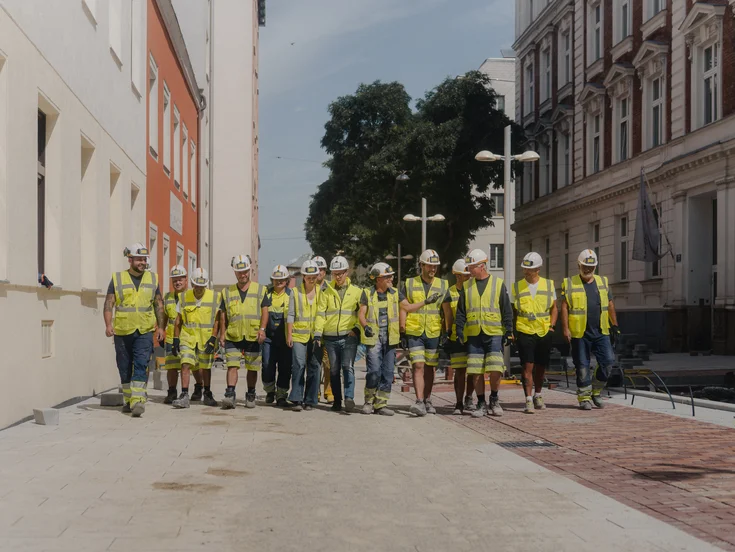
Operational integration through recipient-focused and topic-specific training programmes
At PORR, sustainability is being gradually embedded into day-to-day working practices through targeted training programmes tailored to different target groups and topics. The focus is on key ESG issues such as decarbonisation, water, biodiversity, the circular economy and sustainable construction.
Progress is measured by the training implementation rate. This is based on four key thematic areas. In the base year 2024, the rate stood at 0%; the aim is for all to be implemented by 2030.
In 2025, one area – training for lead and local buyers – has already been implemented. This brings the current achievement to 25%.

Awareness Target
Building expertise for sustainable action
To embed sustainability within the company in the long term, PORR is focusing on targeted competence building in all relevant areas. A key component is group-wide knowledge building in the field of corporate sustainability to promote decarbonisation, which creates a uniform understanding of the strategic targets.
At the same time, efforts are being made to strengthen ESG expertise in the field of sustainable construction at all levels of the construction process. This ensures that sustainability aspects are systematically integrated into planning, procurement and execution.
In addition, practical environmental training courses designed to promote the circular economy, biodiversity and water management provide concrete practical skills for day-to-day work. They demonstrate how resources can be used efficiently and environmental impacts reduced.
Sustainability is also being specifically embedded in procurement: targeted training for lead and local buyers, with a focus on sustainable procurement, strengthens the role of procurement managers as multipliers for ESG issues throughout the entire value chain.

Decarbonisation
The construction industry is one of the most resource- and energy-intensive sectors and contributes significantly to climate change. This means it also bears a special responsibility.
Since 2024, PORR has been recording its greenhouse gas emissions annually across the entire value chain in the form of a comprehensive carbon footprint in accordance with the Greenhouse Gas Protocol. This makes emission drivers transparent, reduction potentials visible and progress measurable.
© PORR
Reduce emissions
With its Sustainability Strategy 2030, PORR has defined a clear, science-based reduction pathway for the first time.
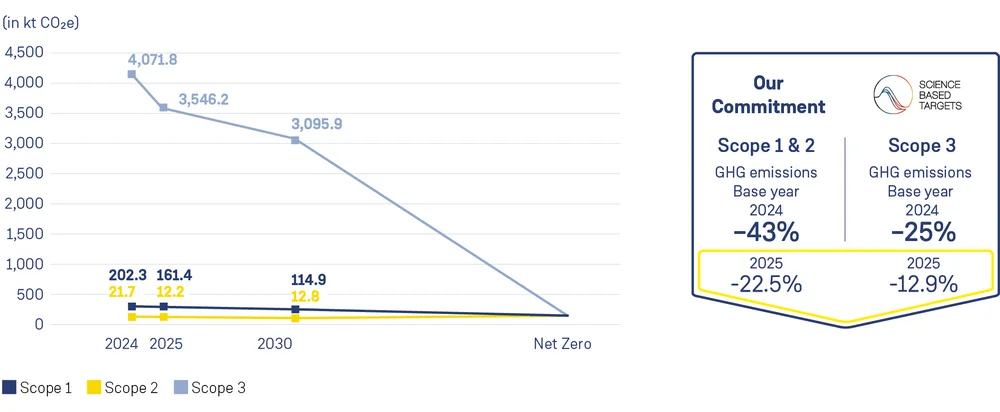
PORR is pursuing clear, science-based reduction targets for its greenhouse gas emissions and has committed to the Science Based Targets Initiative. Based on the comprehensive 2024 carbon footprint, targets have been set that are aligned with the requirements of the Science Based Targets Initiative (SBTi) and are consistent with the targets of the Paris Agreement.
Emission Targets
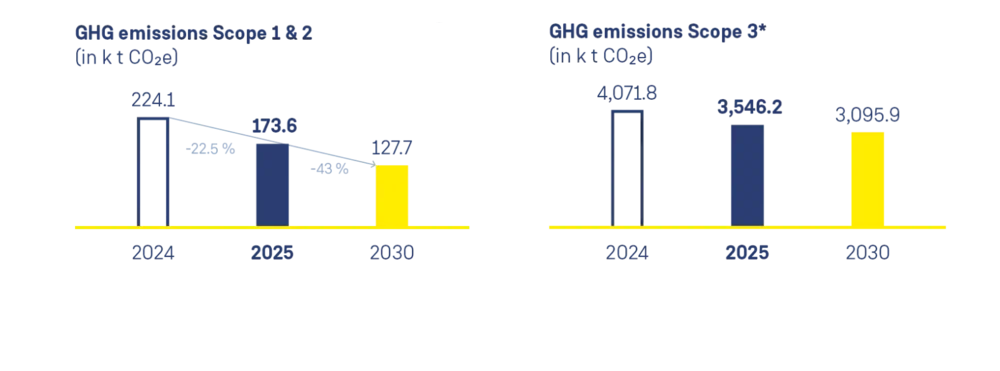
Scope 1 and 2: 43% reduction: Compared with the base year 2024 (224.1 thousand tonnes of CO2e), emissions in 2025 had already been reduced by 22.5% to 173.6 thousand tonnes of CO2e.
- Scope 3: 25% reduction: Compared to the base year 2024 (4,071.8 thousand tonnes of CO2e), emissions had already been reduced by 12.9% to 3,546.2 thousand tonnes of CO2e by 2025.

Decarbonisation Target
Our Commitment
PORR’s carbon footprint
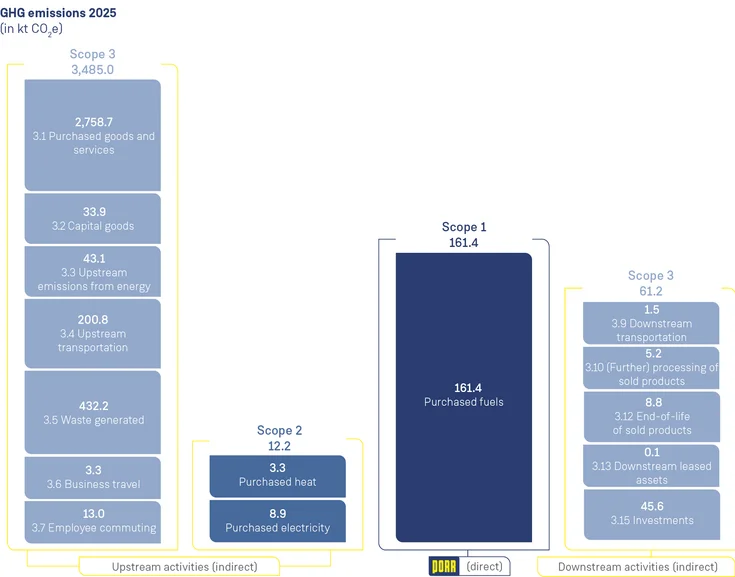
The carbon footprint is PORR’s central basis for measurement and control on the path to decarbonisation. It provides transparency regarding direct and indirect emissions and enables annual progress measurement along the defined target path up to 2030.
This makes it clear how measures, investments and technological developments impact emissions. At the same time, it forms the basis for continuously reviewing the decarbonisation plan, developing it further in a targeted manner and adapting it to new regulatory, technological and market conditions.
Decarbonisation Plan 2030
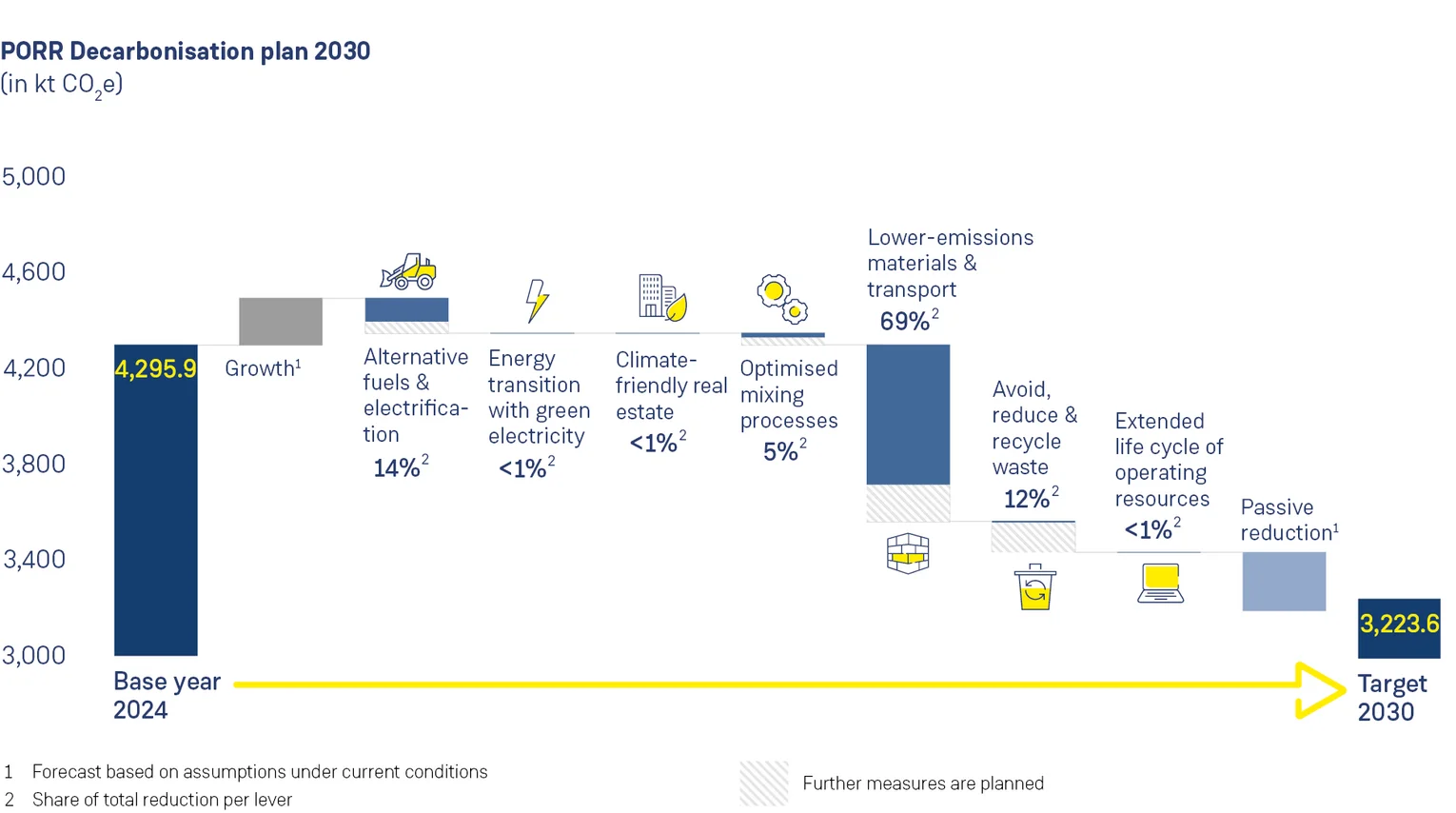
The decarbonisation plan is PORR’s strategic roadmap for reducing its greenhouse gas emissions. It covers the company’s own business activities as well as upstream and downstream processes, thereby taking into account the key emission drivers along the entire value chain.
The plan is based on a systematic analysis of the carbon footprint. This shows which areas generate the highest emissions and where the most effective levers for reductions lie. From this, seven strategic decarbonisation levers have been derived, which form the framework for operational implementation by 2030. Progress is measured annually using the carbon footprint, regularly reviewed and further developed where necessary.

Seven decarbonisation levers
PORR is implementing its decarbonisation plan through seven strategic levers, which are targeted at the key emission drivers in the carbon footprint.

Alternative fuels and electrification
This lever primarily addresses direct emissions from the use of machinery, equipment and the vehicle fleet. The focus is on the increased use of alternative fuels such as HVO100 and the gradual electrification of suitable applications.

Energy transition with green electricity
The aim is to reduce energy-related emissions by expanding on-site electricity generation, increasing the purchase of certified green electricity and optimising energy use in operational processes at sites and on construction sites.

Climate-friendly real estate
This lever covers both new builds and Group-owned and leased buildings. Emissions from property operations are to be reduced through energy-efficient standards, optimised building services and the increased use of renewable energy systems.

Optimised mixing processes
In asphalt and concrete production, PORR focuses on technical and process optimisations to reduce energy and resource consumption. These include, among other things, more energy-efficient production processes, higher recycling rates in mixed materials and the use of lower-emission materials.

Lower-emission materials and transport
As purchased materials account for the largest share of emissions, PORR focuses on systematically considering lower-emission building materials and integrating emissions-related criteria into procurement. In addition, transport and logistics processes along the supply chain are addressed.

Avoid – reduce – recycle waste
This lever strengthens the circular economy and reduces waste streams relevant to emissions. The focus is on improved material planning, the reuse of construction site materials, the use of recycled building materials and the prioritisation of material recovery processes.

Extended life cycle of operating resources
Longer service lives, targeted maintenance and optimised usage concepts are intended to reduce resource-intensive new purchases. An initial focus is on the extended use of IT hardware.

Circularity
Construction always involves the use of resources. This makes it all the more important to keep materials in circulation for as long as possible.
PORR is working to consistently drive the transition from a linear to a circular construction process – with the aim of reducing waste, using resources efficiently and reusing materials.
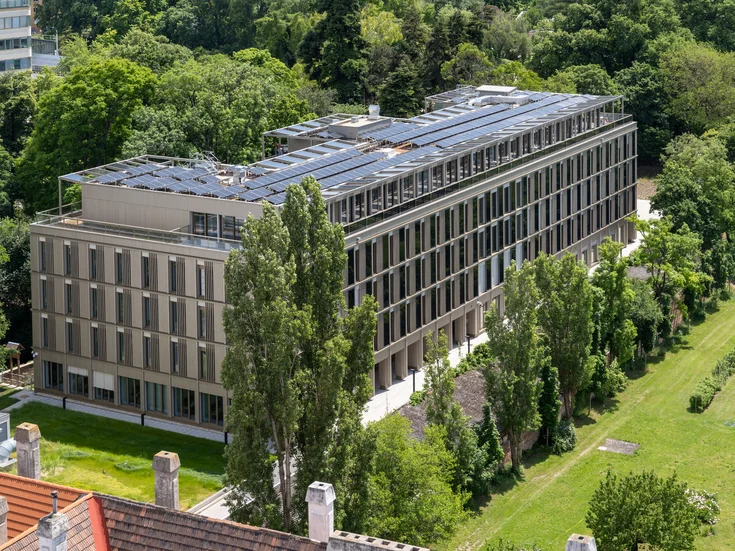
© pierer.net
Develop the value chain into a value cycle
PORR is gradually developing its value chain into a closed loop. Materials are to be used for as long as possible, reprocessed and integrated into new projects. This reduces environmental impact whilst simultaneously unlocking new potential for efficiency and innovation.
Progress is evident in the rising internal recycling rate. Starting from 51.1% in the base year 2024, PORR is working towards increasing this figure to 70% by 2030.
By 2025, the rate will already stand at 57.2%. This development makes it clear that recycling is being integrated step by step into processes and the transition to circular construction is being consistently driven forward.

Circularity Target
More recycling, less waste
To keep materials in the cycle, PORR relies on innovation, digitalisation and clear processes throughout the entire value chain. A key approach involves research and innovation projects on the circular economy, through which new solutions for the recycling of building materials are developed and put into practice.
At the same time, the introduction of digital tools for measuring and managing material and waste streams on construction sites supports greater transparency and control. This enables waste to be reduced and resources to be used more effectively.
The roll-out of work instructions on the efficient use of resources and the choice of waste disposal companies establishes clear standards that improve the handling of materials and waste in day-to-day operations and minimise risks.
In addition, efforts are being made to improve resource utilisation and the selection of waste disposal contractors, for example through optimised logistics solutions and regional recycling schemes that reduce transport distances and increase efficiency.
Another key focus is the expansion of PORR’s internal recycling. Through targeted separation, processing and reuse of materials, the use of primary raw materials is reduced and the circular economy approach is strengthened within the construction process.
From construction site waste to recycled product
The RCH Recycling Centre in Himberg is one of many recycling facilities dedicated to the processing of construction waste.
PORR is systematically developing its value chain towards a value cycle: through circular design, material-efficient planning and projects such as UP!crete or the gypsum-to-gypsum recycling plant. The aim is to ensure resource-conserving implementation on the construction site - with maximum material efficiency and minimum waste.

Supply chain
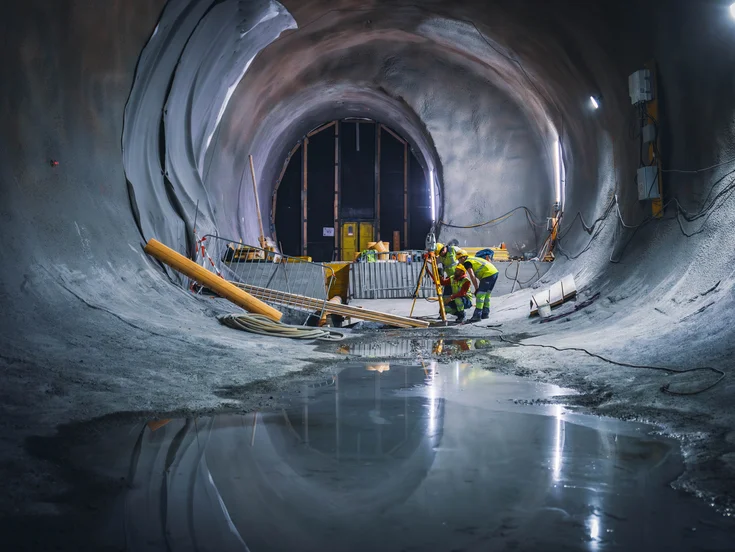
A large proportion of the climate impact arises even before the actual construction begins. At PORR, around 95% of total GHG emissions fall under Scope 3 – the vast majority of which are upstream emissions from the supply chain.
Procurement thus becomes a crucial starting point for effectively driving sustainability and shaping the transformation together with partners.
© Wolfgang Gollmayer
Minimum standards in procurement along the supply chain
Sustainability is increasingly becoming an integral part of procurement at PORR – and is developed in collaboration with suppliers. Requirements are being refined, partnerships deepened and joint solutions advanced.
The Supplier Engagement Index has risen from 0% in 2024 to 27% in 2025. By 2030, at least one third of the most important suppliers are to be actively involved. As a result, dialogue along the supply chain is becoming noticeably more important.

Supply chain Target
Driving sustainability forward together
PORR relies on targeted measures to consistently embed sustainability in the supply chain. Roundtables with suppliers on the circular economy promote direct dialogue on decarbonisation, material use and recycling, and create a common basis for innovation. In parallel, the sustainability criteria catalogue for procurement is being revised to integrate environmental requirements, transparency and circular principles even more closely into purchasing decisions.
Furthermore, the focus is on improving supplier-related data. Digital solutions and standardised processes enhance data quality, create transparency and enable well-informed procurement management.